Family
An artist’s studio-apartment where the collage (of lives) reigns supreme.
At
Lia Rochas-Páris
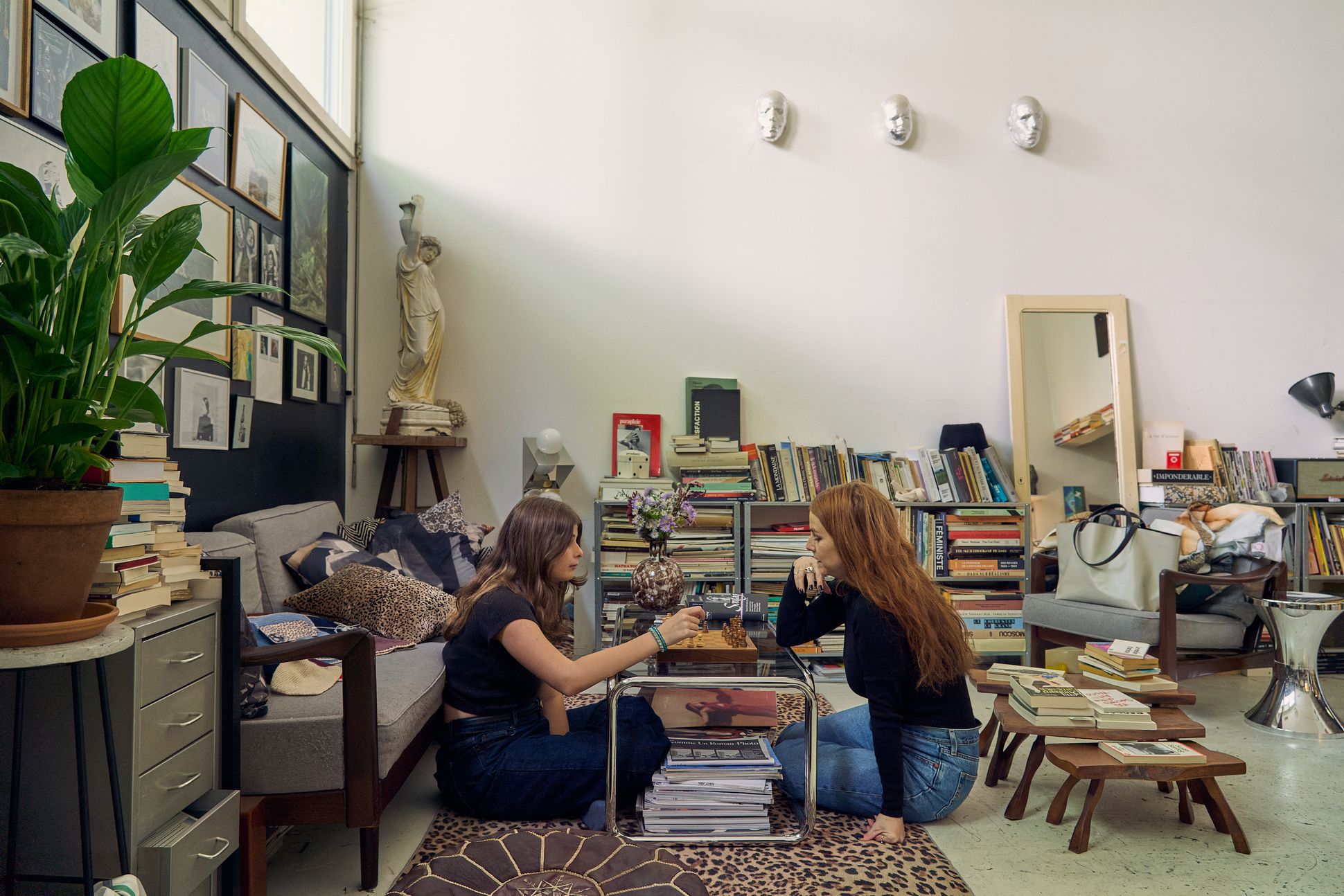
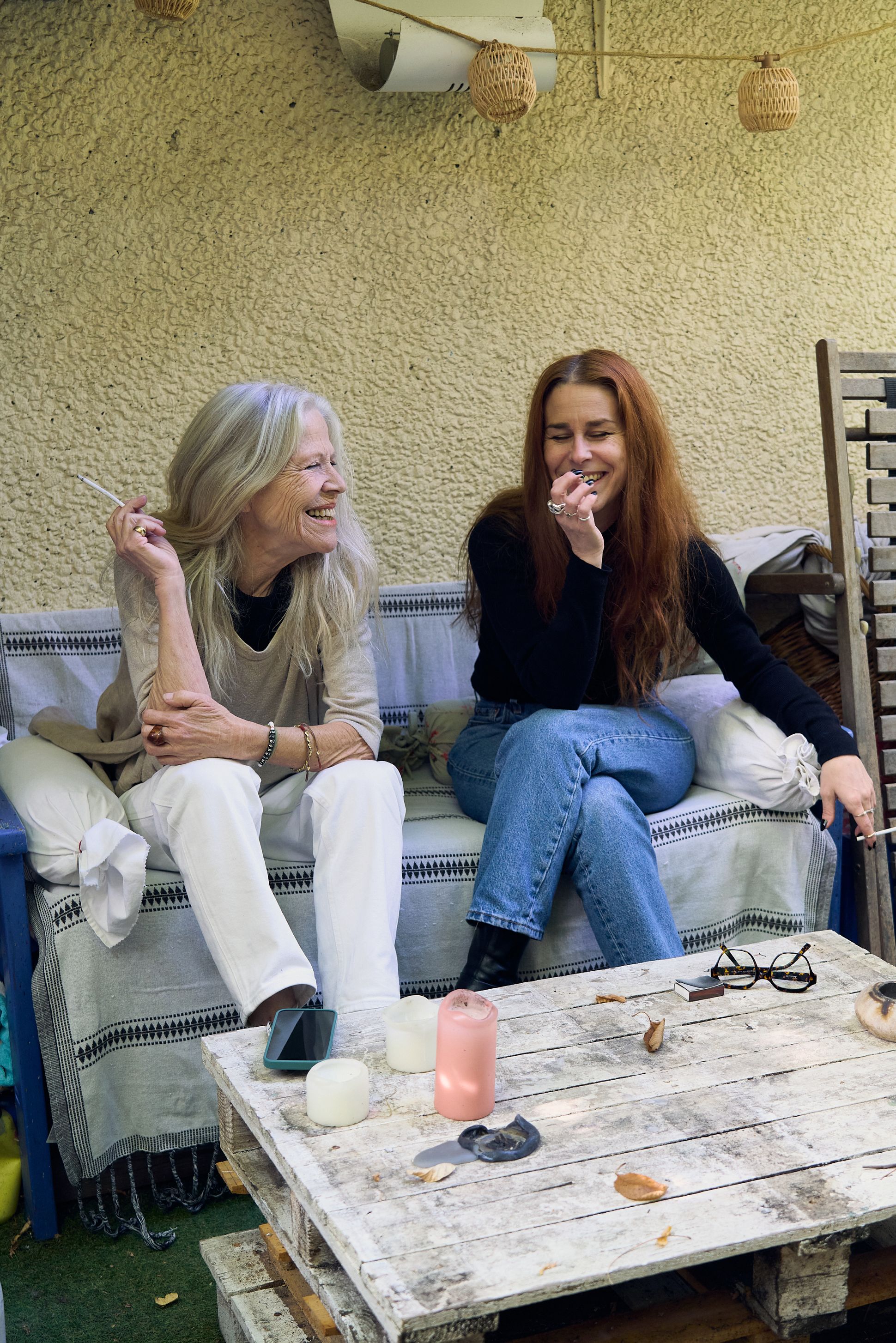
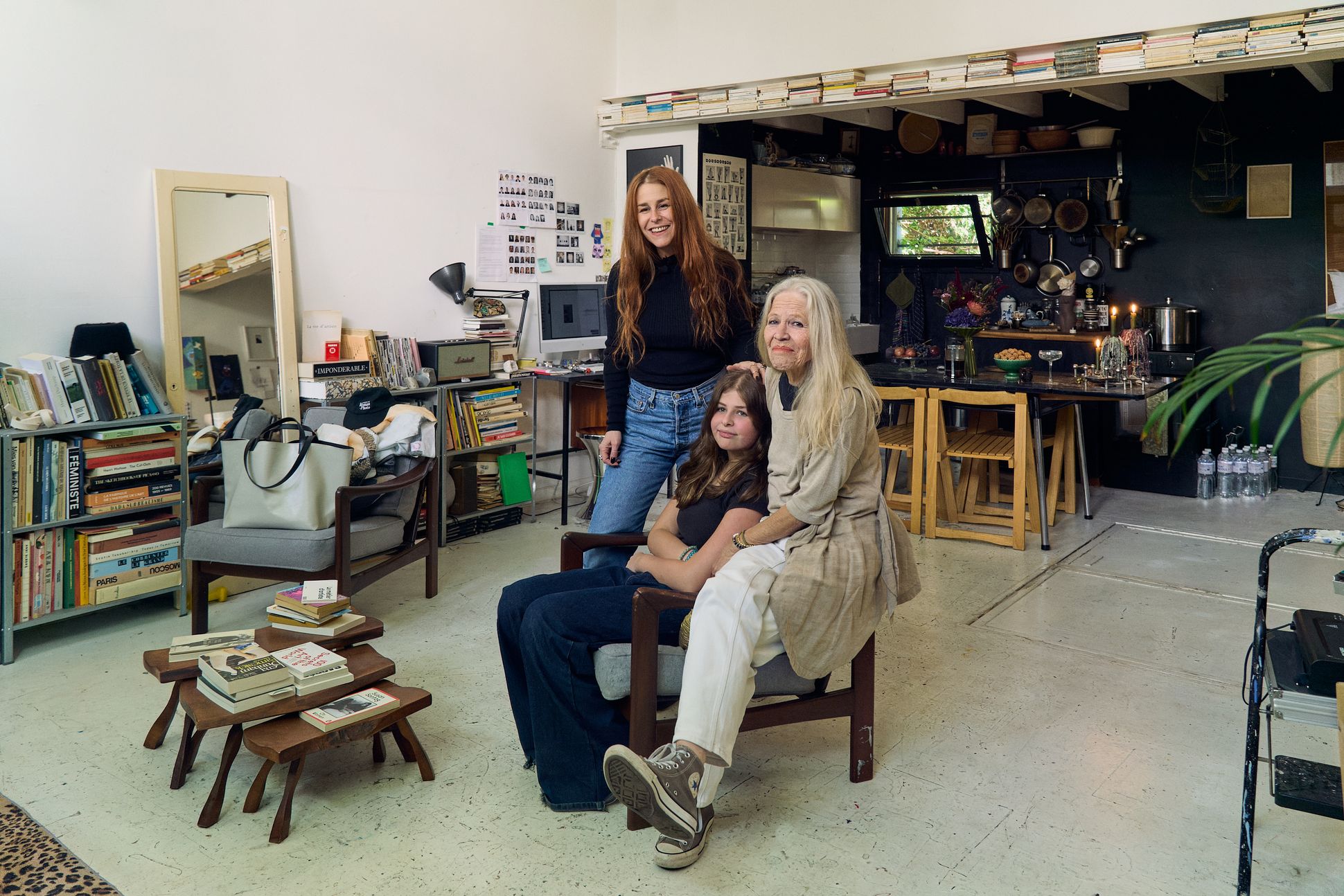
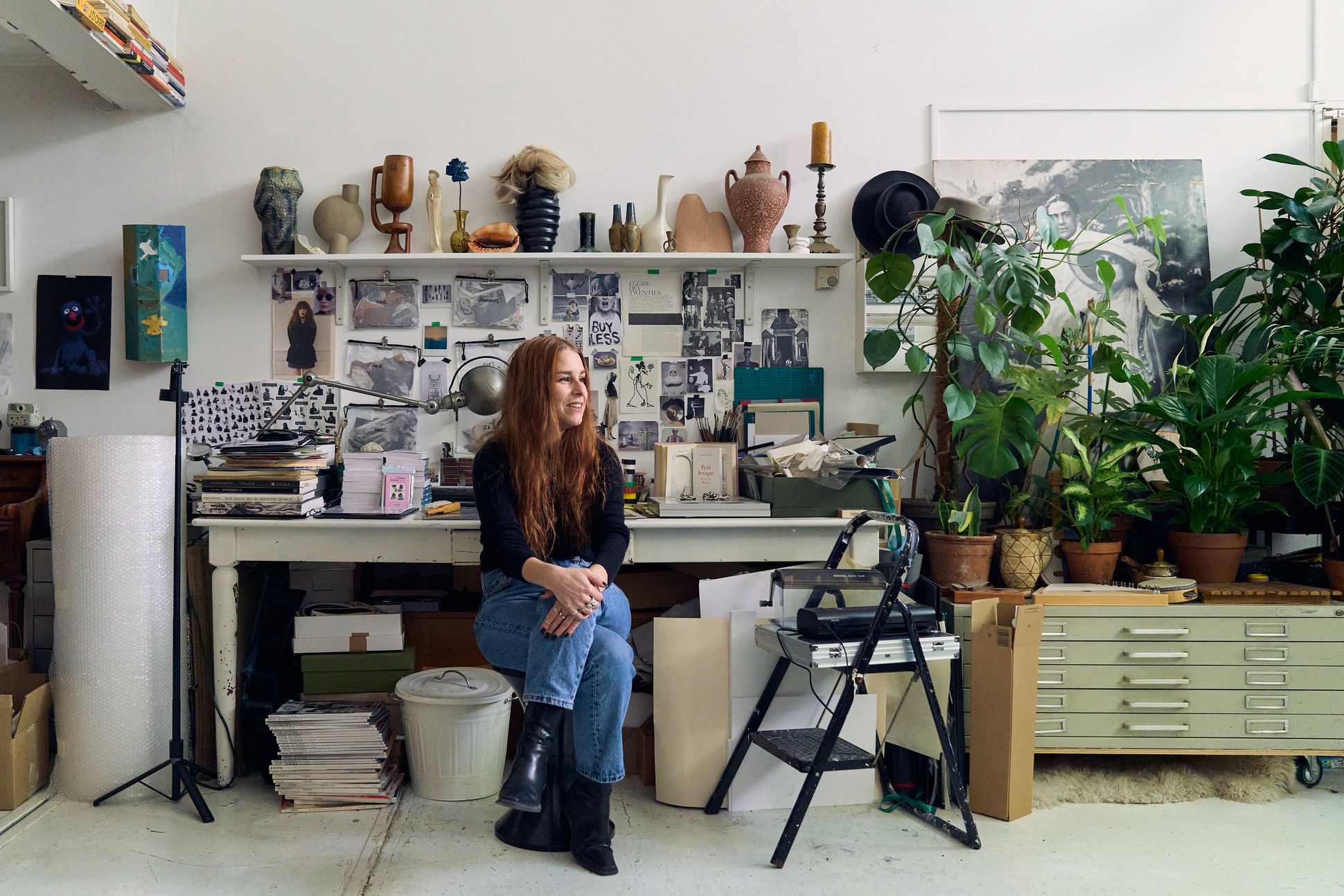
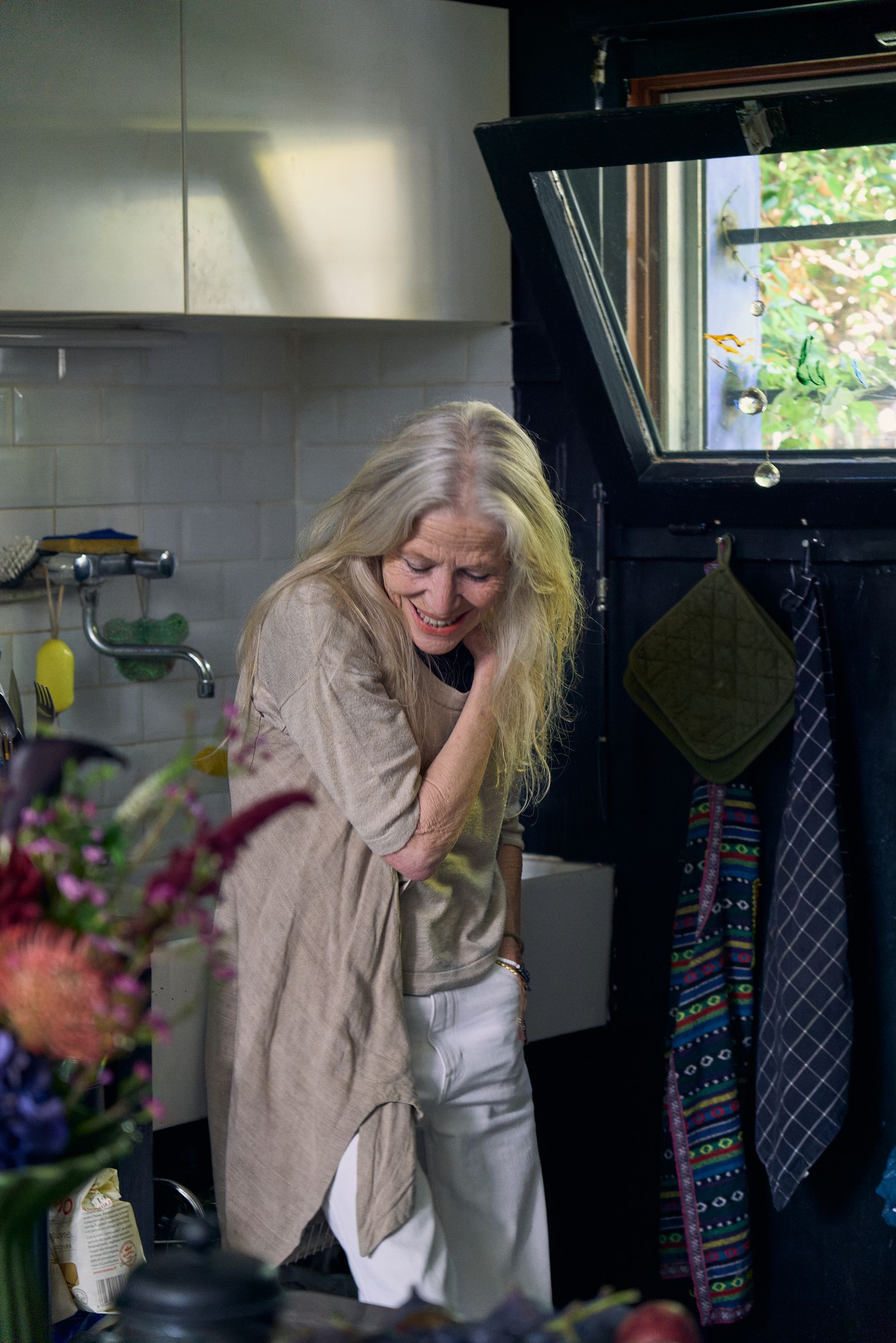
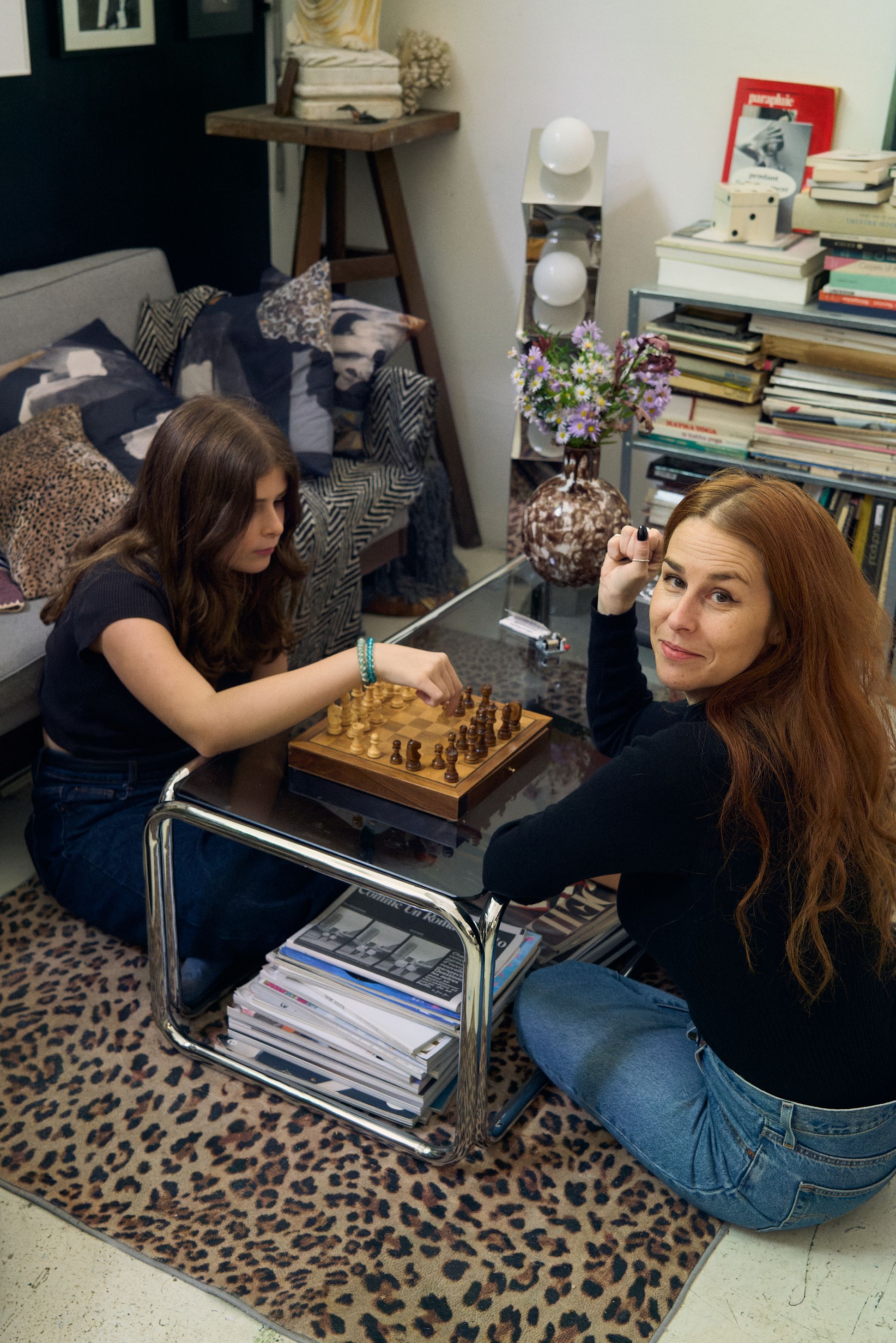
It is in an artist’s studio in Paris’s 13th arrondissement that Lia Rochas-Páris - visual artist, author, poet and curator - welcomes us one autumn afternoon. A space that once served as her father’s studio, also an artist, it is now shared by Lia and her daughter Liv, aged 13. Her mother, a former dancer with an equally creative spirit, lives in an apartment just above, only a few steps away. She makes the journey several times a day to join in whatever is unfolding downstairs — unless, of course, she is simply stopping by to sketch out a few dance steps in the spacious living room…
In this gynaeceum (a space reserved for women in ancient Greece, ed.), where three generations of women coexist, there is only one rule: freedom.
Friends of friends are often invited to make themselves at home among the shelves and within the space of this artist, who has been collecting, manipulating archives and practising collage for more than 20 years, weaving together unusual narratives. A devotee of the photo-novel, Lia combines words and images, sharing her thoughts through a variety of mediums in a state of constant fluidity. Resisting labels and remaining open to every possibility, this artist - impossible to sum up in a single definition - explores the notion of the “Unclassifiable” through newsletters, installations and publications under the eponymous Incasable imprint.
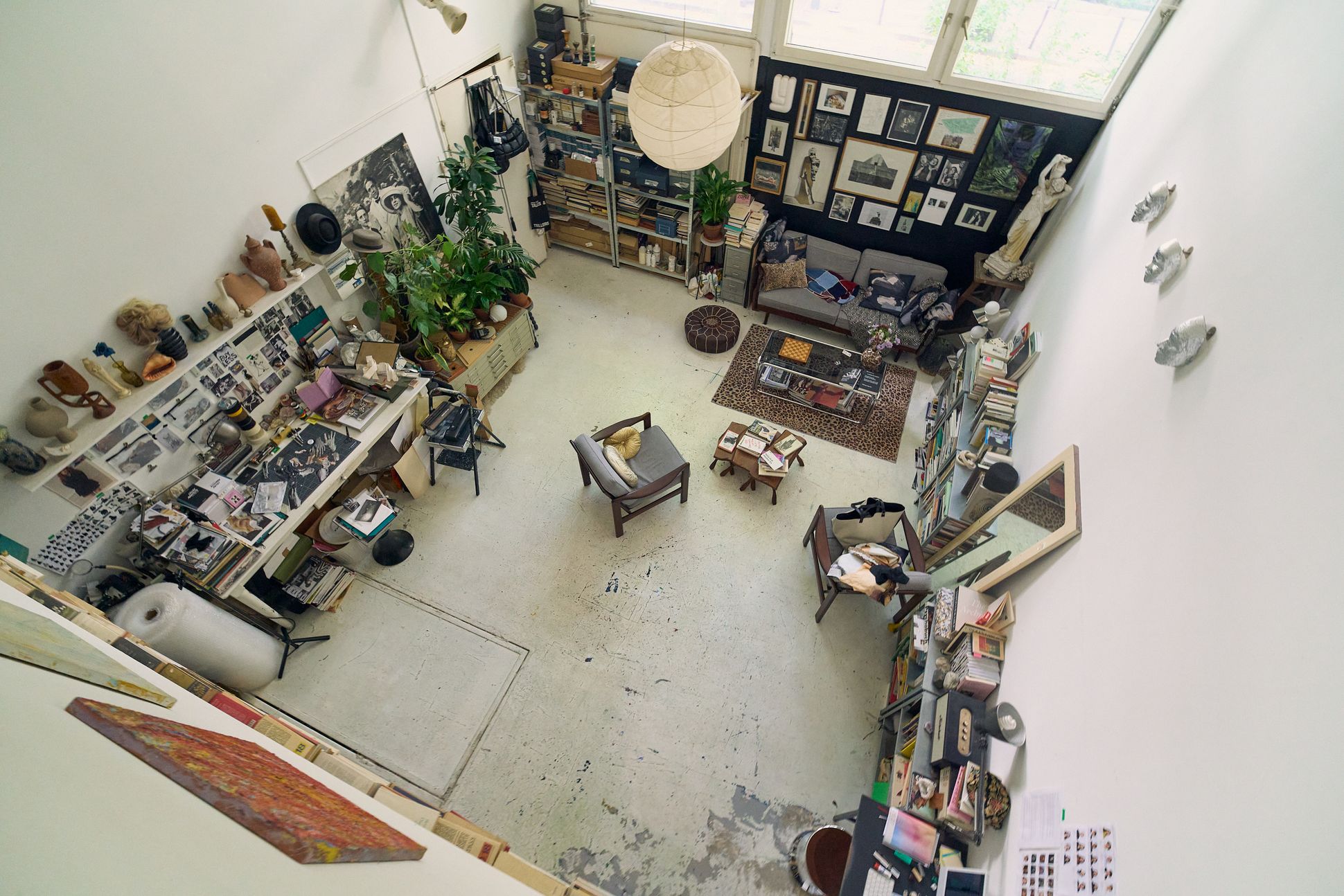
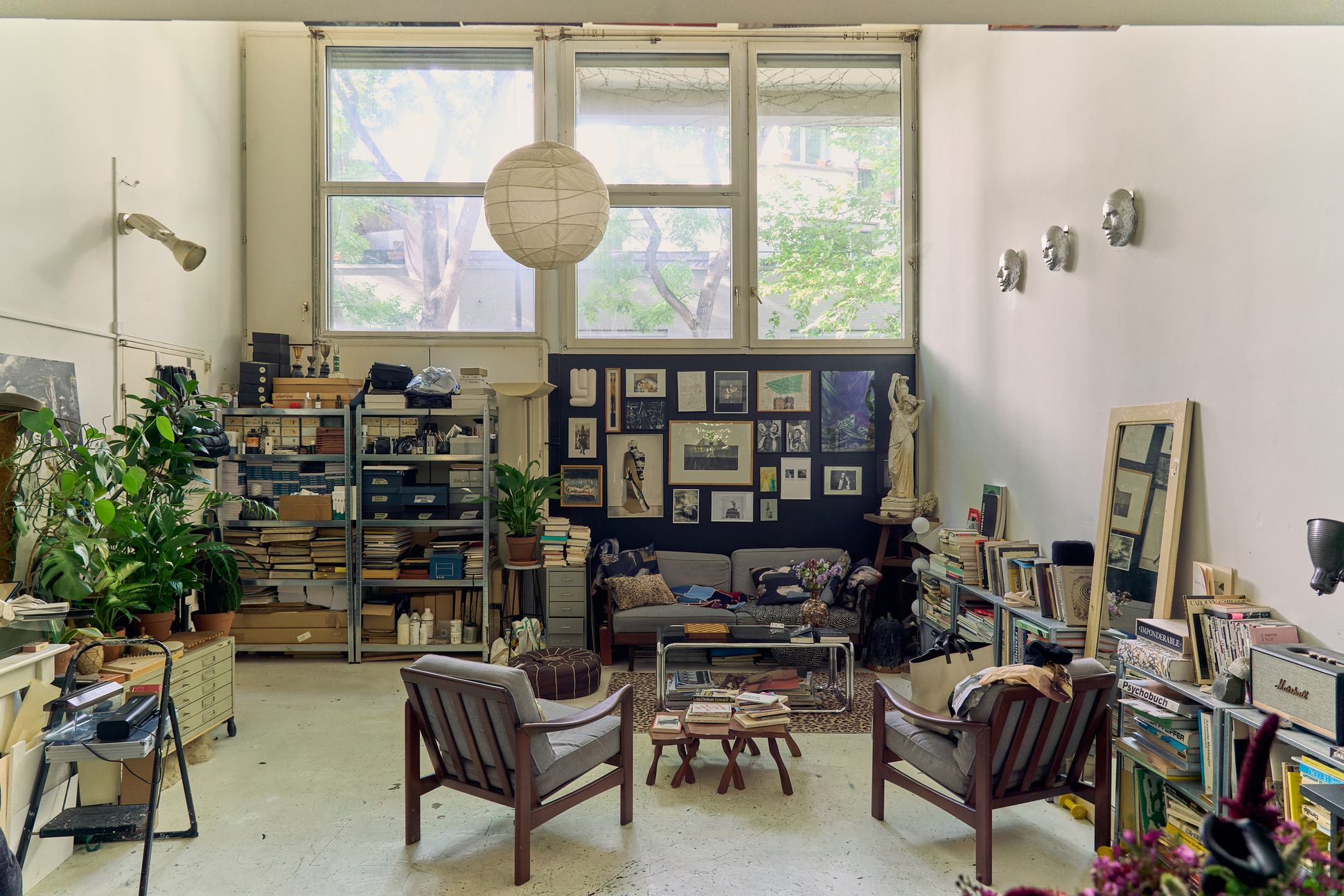
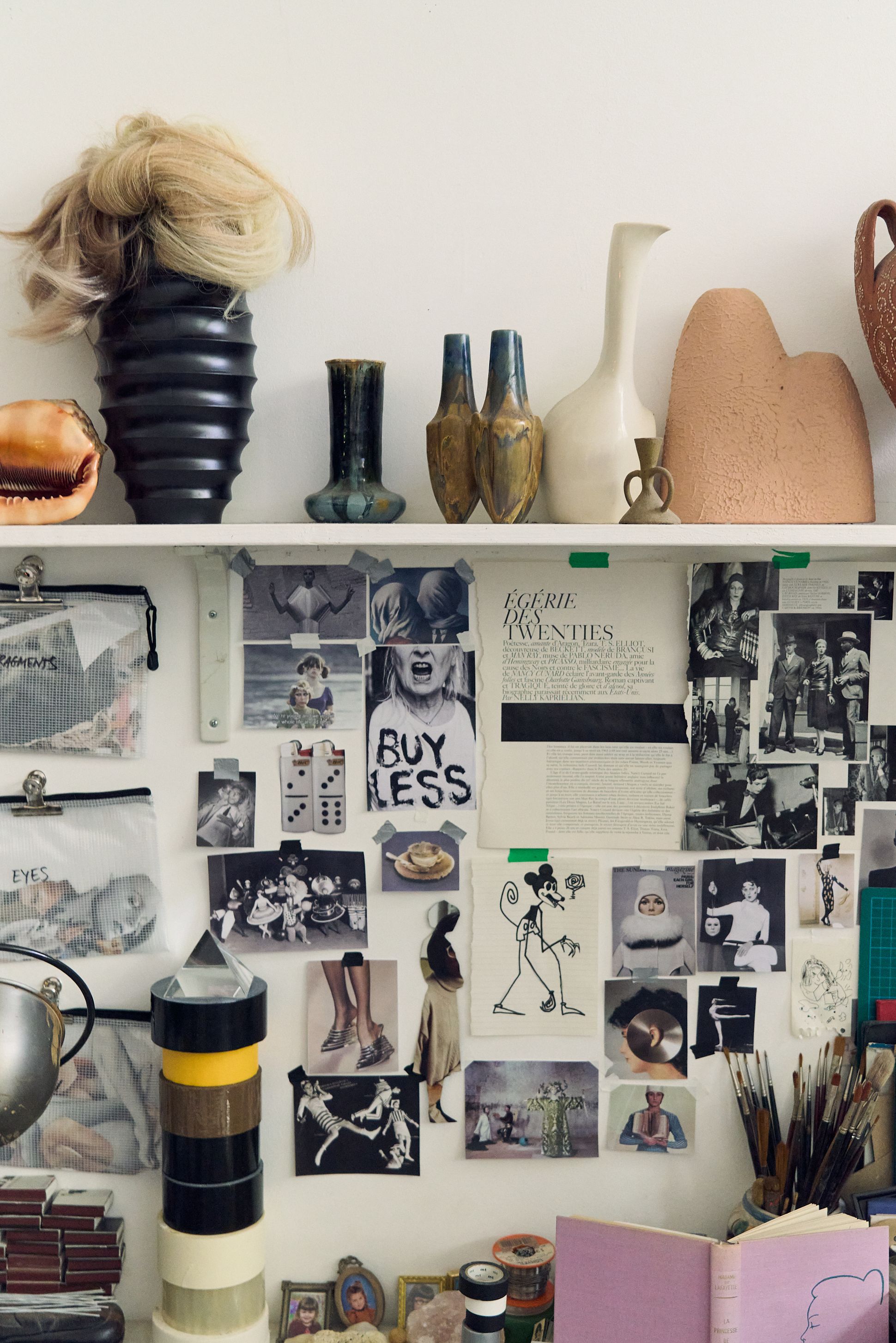
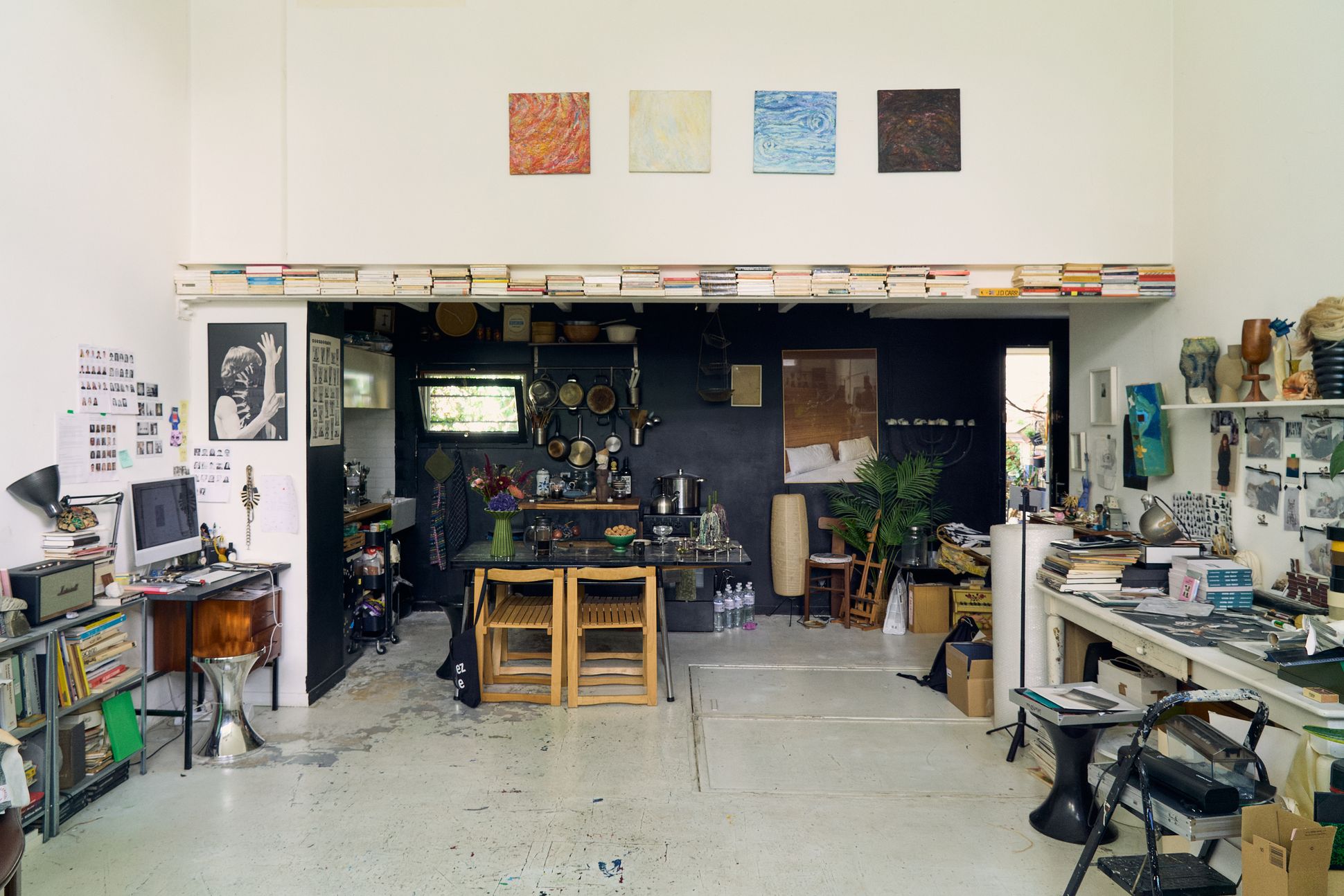
These many projects speak to a particular way of being in the world, one whose singularity finds expression within the imposing walls of her apartment-studio. It resembles a vast atlas, where an abundance of imagery mingles with carefully chosen objects, works in progress and countless books that cover every available corner, transforming the space into a laboratory in perpetual evolution.
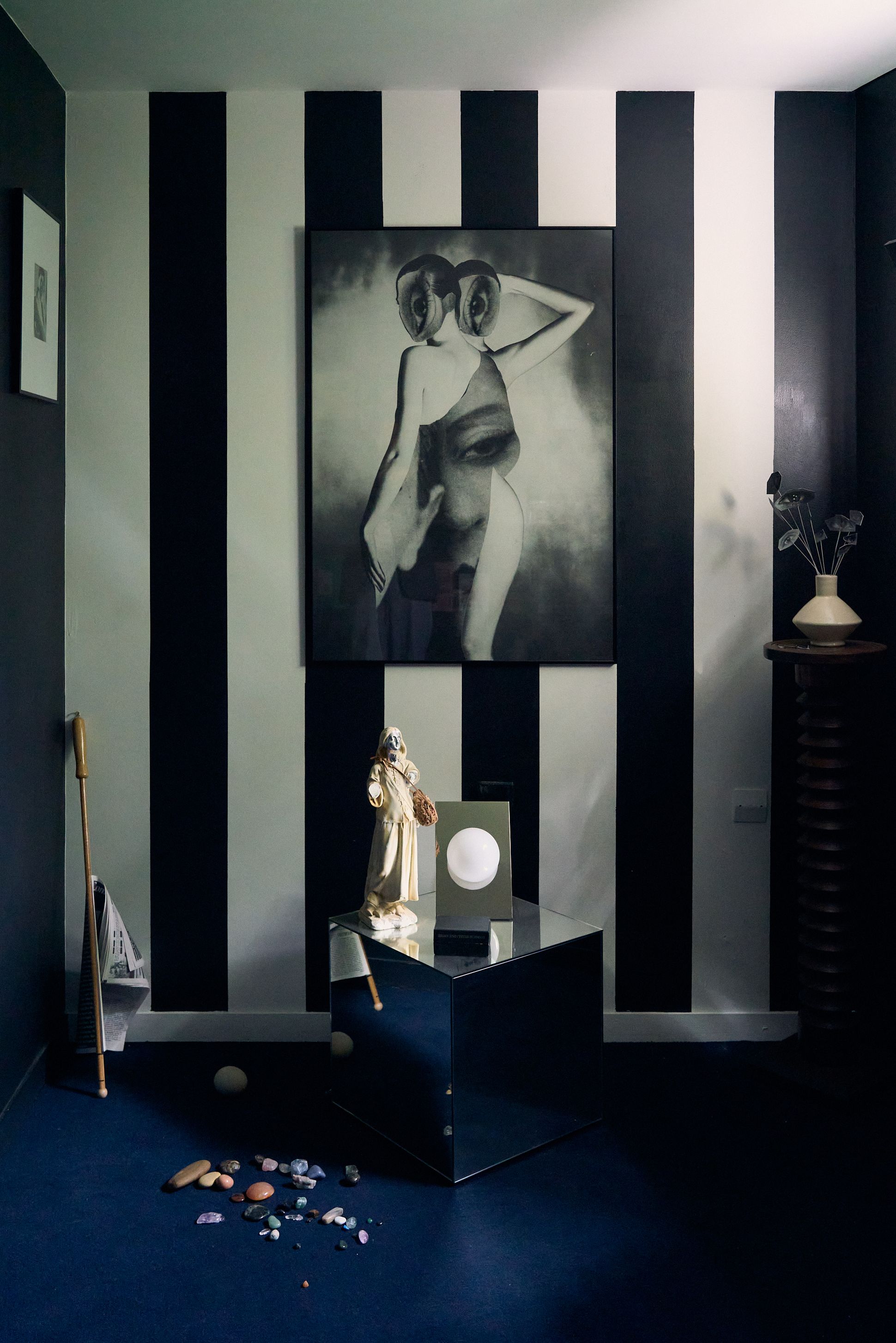
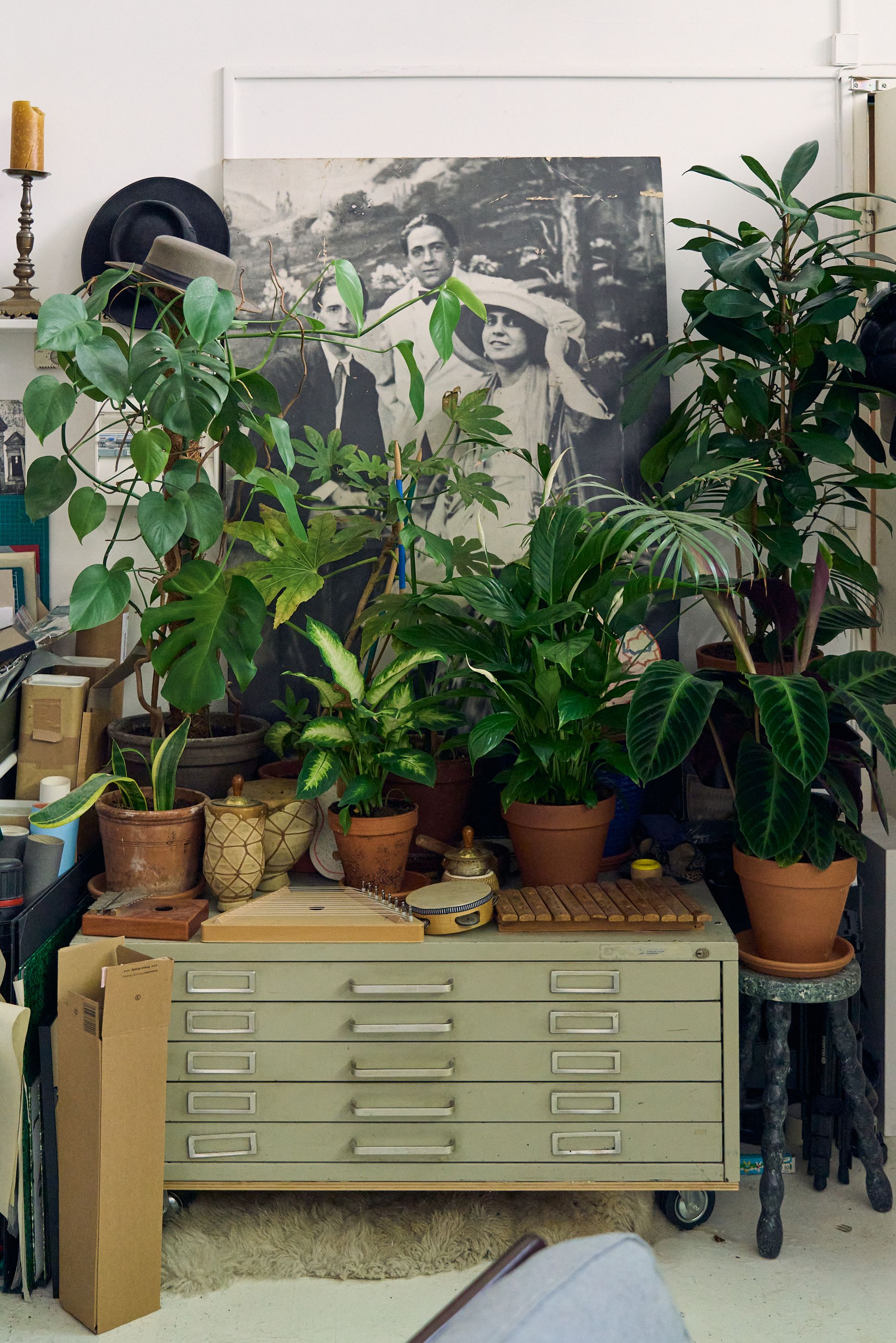
Unless, perhaps, this place is ultimately nothing less than an exquisite corpse — the collective drawing and writing game invented by the Surrealists around 1925… A fitting image for an artist who follows in the movement’s footsteps and has long displayed in her living room a large photograph featuring Marcel Duchamp, Francesca Wood and Francis Picabia.
A real-life visit or a journey into the imagination? Are you ready?
Location
Paris
Author
Johanna Colombatti
Photos and videos
Margaux Buisson
TSF
We’re in your live-in studio apartment. How long have you been living here?
Lia
We moved in nine years ago, a few months after my father passed away. It took me a while to make the space my own and feel entitled to inhabit it. Ah, the good old imposter syndrome!
My father is still present through his works, and we all coexist quite harmoniously.
TSF
Today, three generations live under the same roof. It brings to mind Russian nesting dolls, although in your case we might say “Swiss nesting dolls” (your mother, Claudia, being of Swiss origin). Do you think we inhabit a space differently depending on our generation ?
Lia
Yes, in a way. The different stages of life mean we approach space differently. Personality also plays a part.
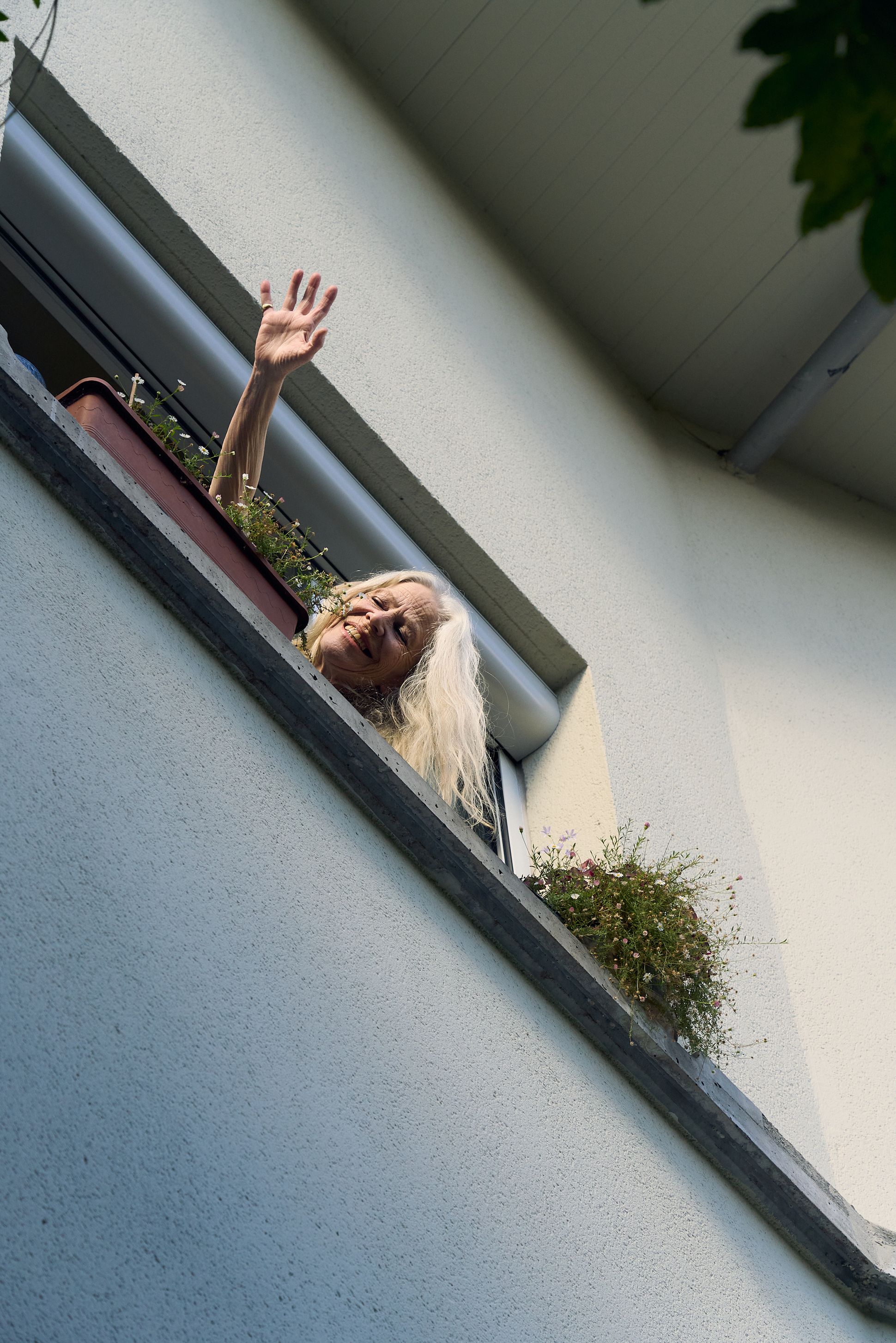
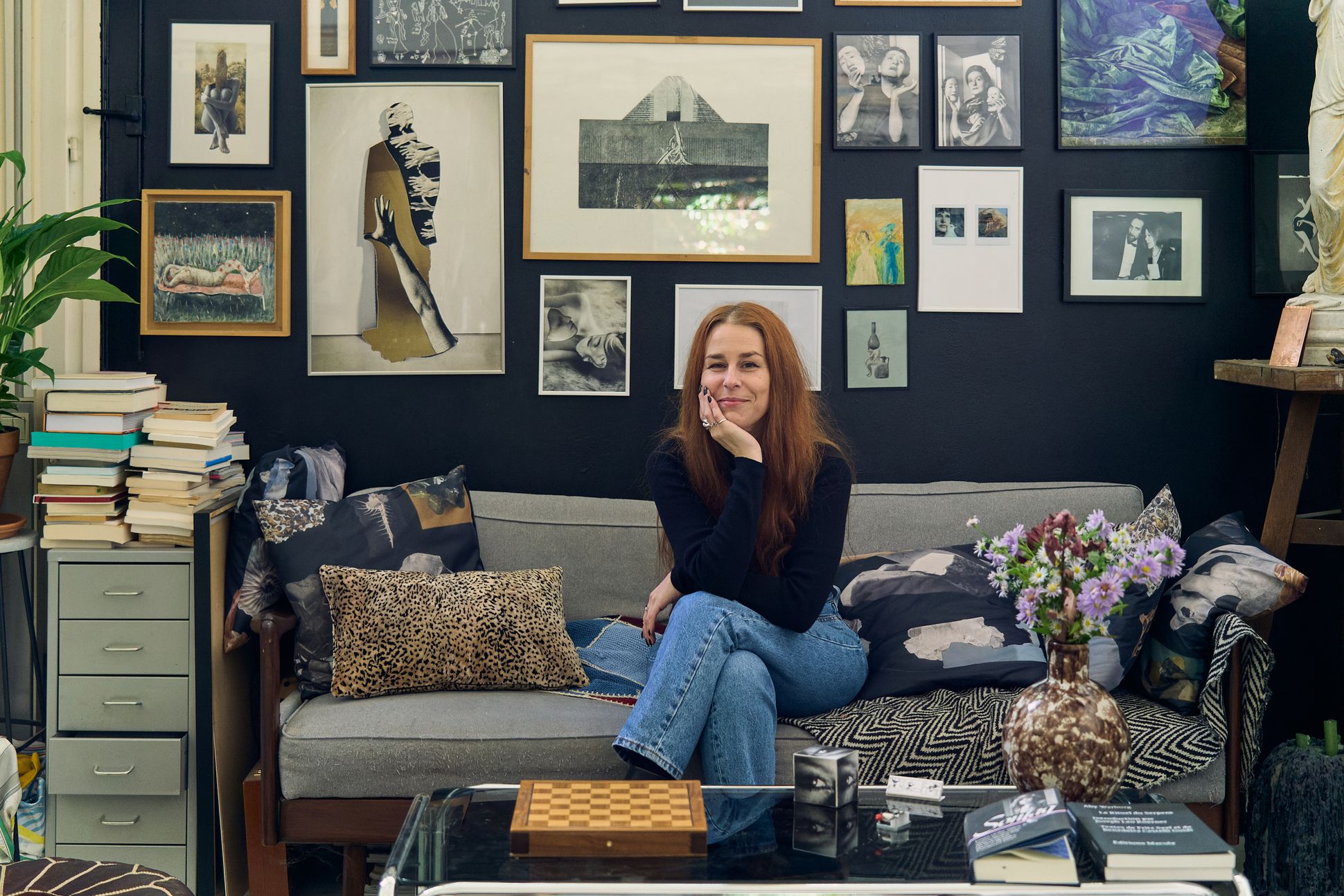
When my daughter isn’t in her bedroom, like most teenagers, she has claimed the sofa, where she can lounge for hours on end — usually with her tablet, much to my dismay! (laughs) We leave the spaces open and shared. My mother, meanwhile, is almost constantly on the move between floors, except when she pauses to gaze at the sky and the birds from her window.
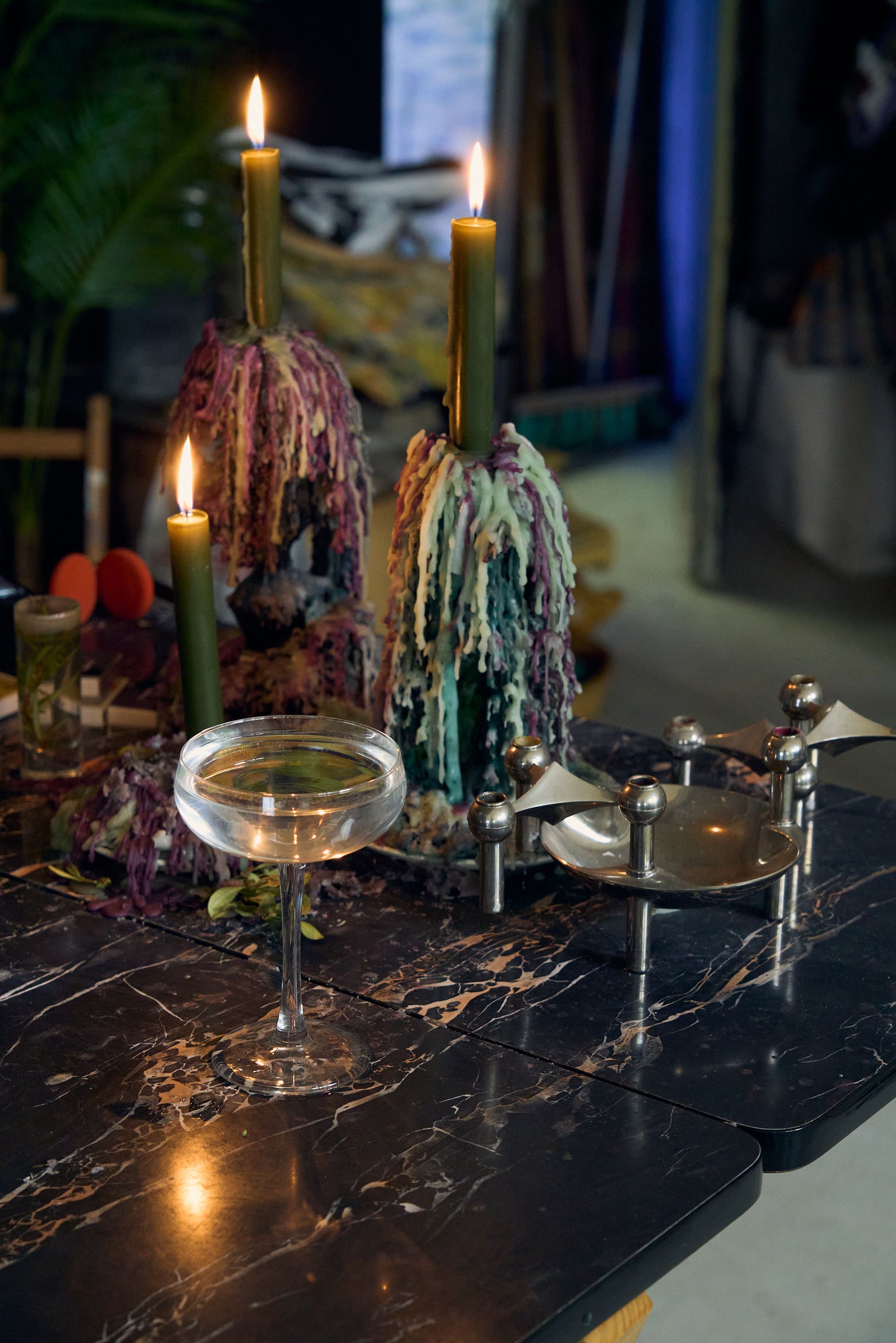
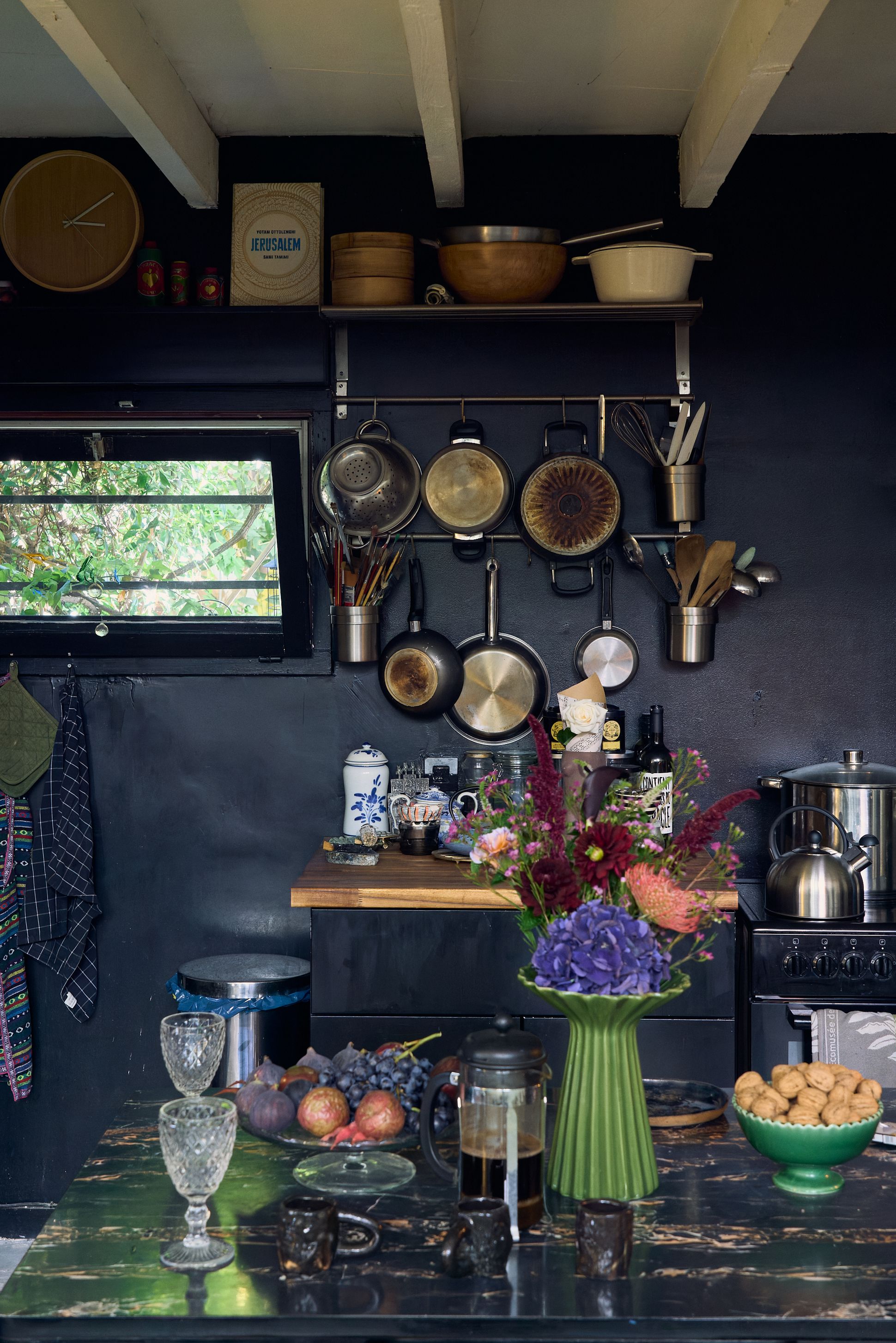
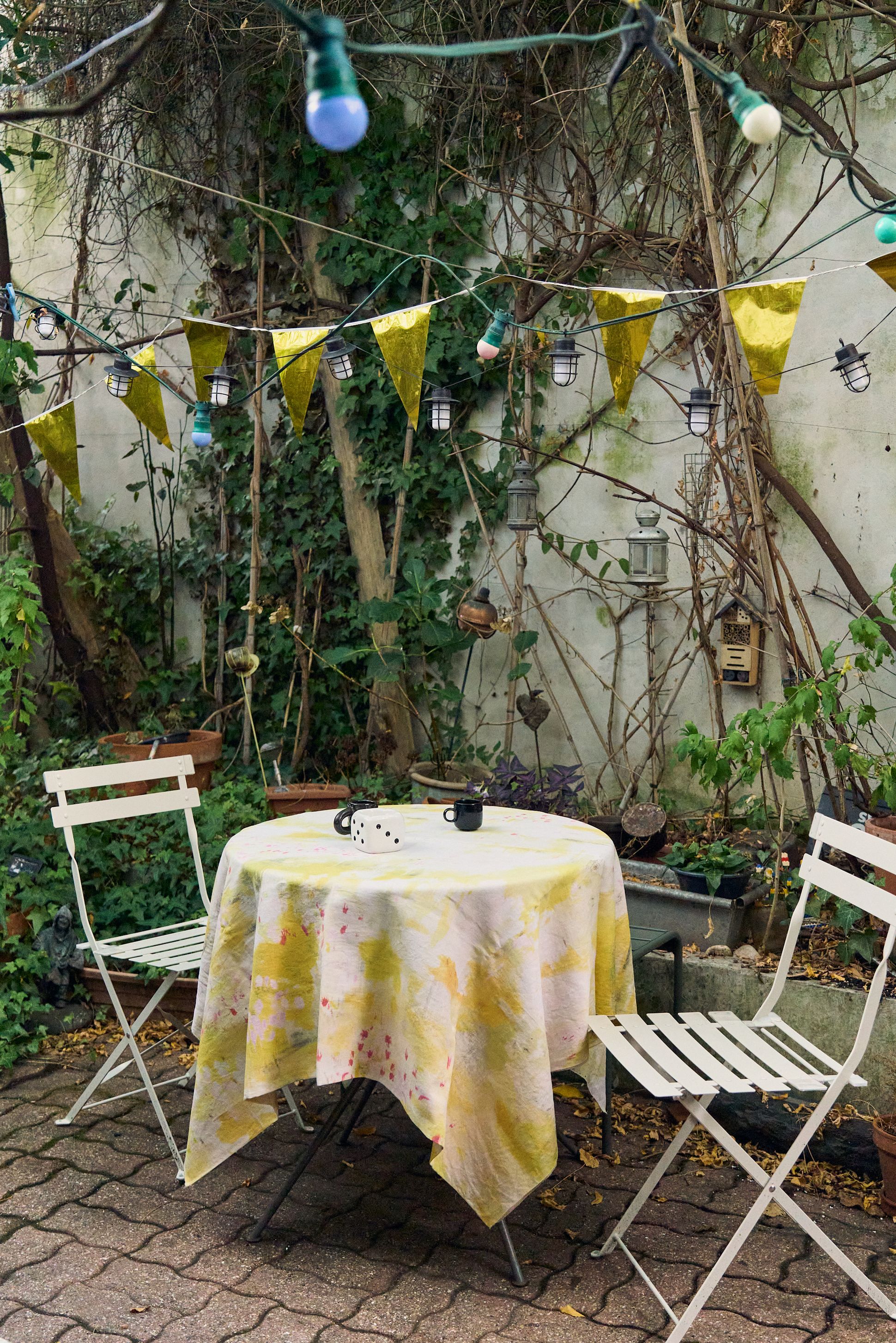
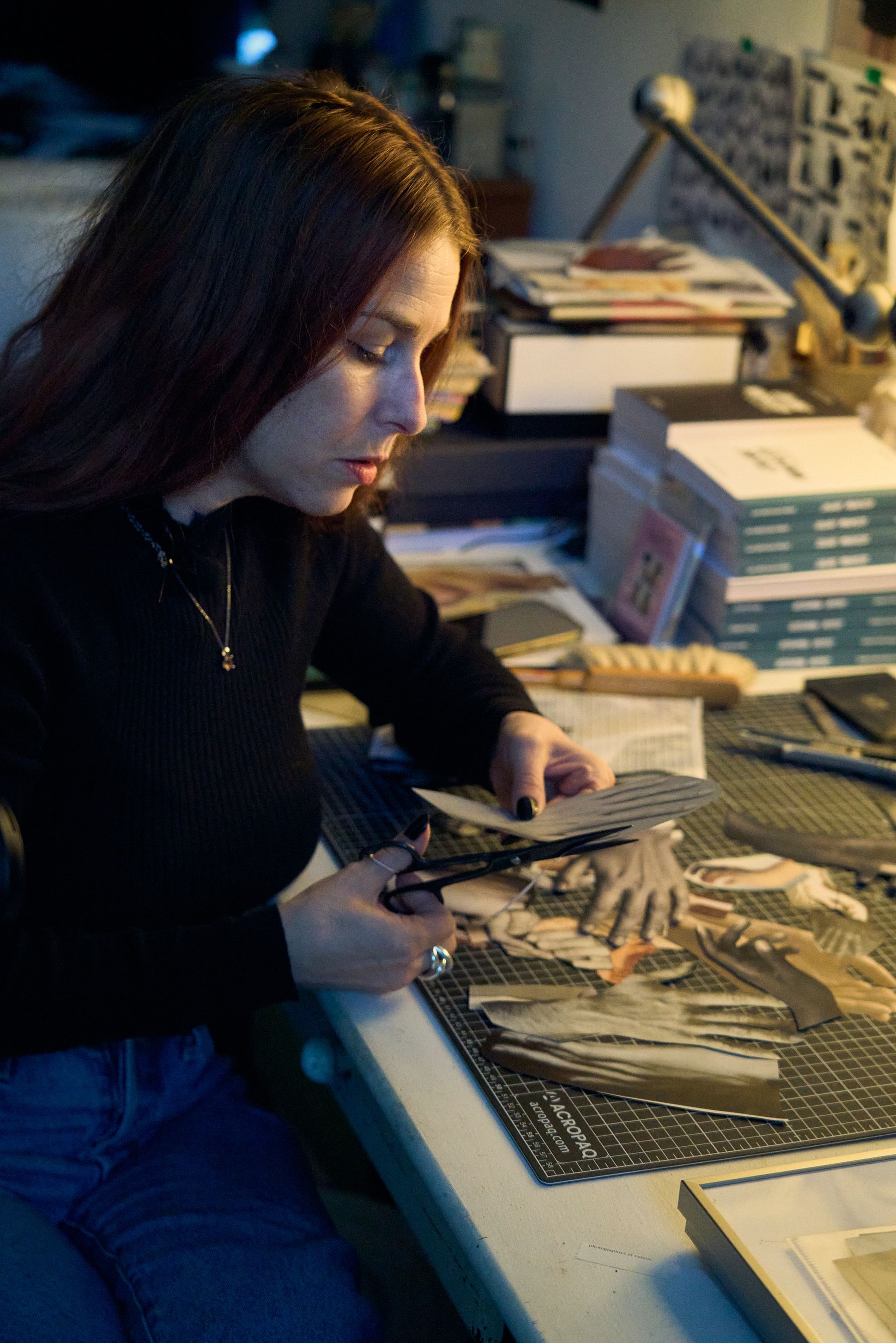
As for me, you’ll find me at the kitchen table at the crack of dawn, with my coffee and cigarettes, and later at my desk, cutting and pasting, or in front of the computer writing. In the evening, I’m back at the kitchen table for drinks and informal dinners. I move from one table to another. In a way, we embody three different positions for three generations: lying down, sitting and standing.
TSF
The apartment unfolds over several floors, with spaces dedicated to entertaining alongside more intimate areas. How do you move between these different aspects of the home?
I’ve never been able to separate my living space from my creative space. The living room is also my studio, with its own kitchenette. Above it, there’s a mezzanine room accessed from the space between my mother’s apartment and the studio: a “hidden” bedroom called Zeitlos Zimmer, a timeless room, where part of my collection of rare books and editions is kept. There are artworks on the walls, both my own and, from time to time, those of visiting artists.
Our bedrooms and the bathroom are downstairs, in the lower-ground level I call the cave. It’s the only space hidden from view.
TSF
How do you choose the objects that surround you?
Lia
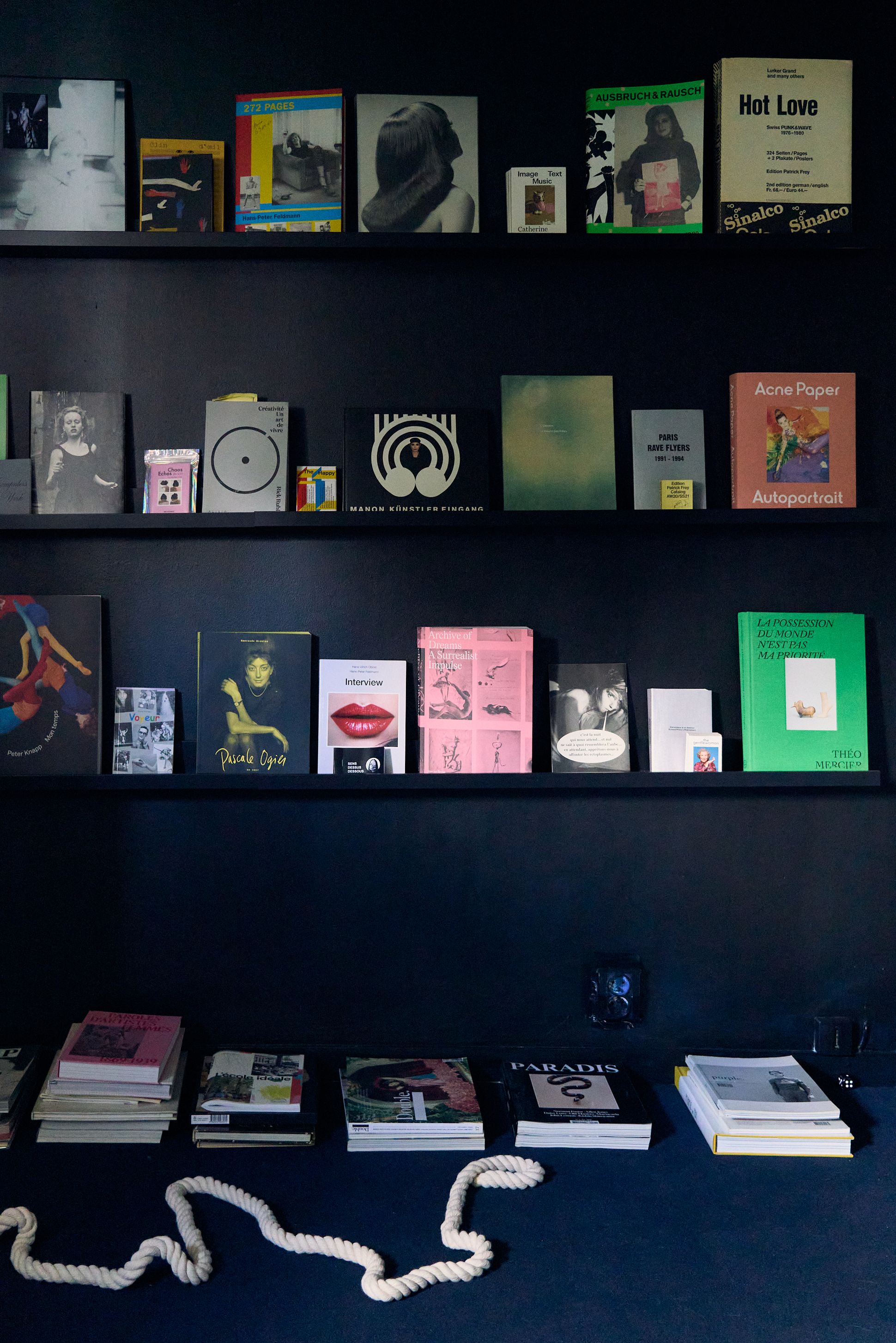
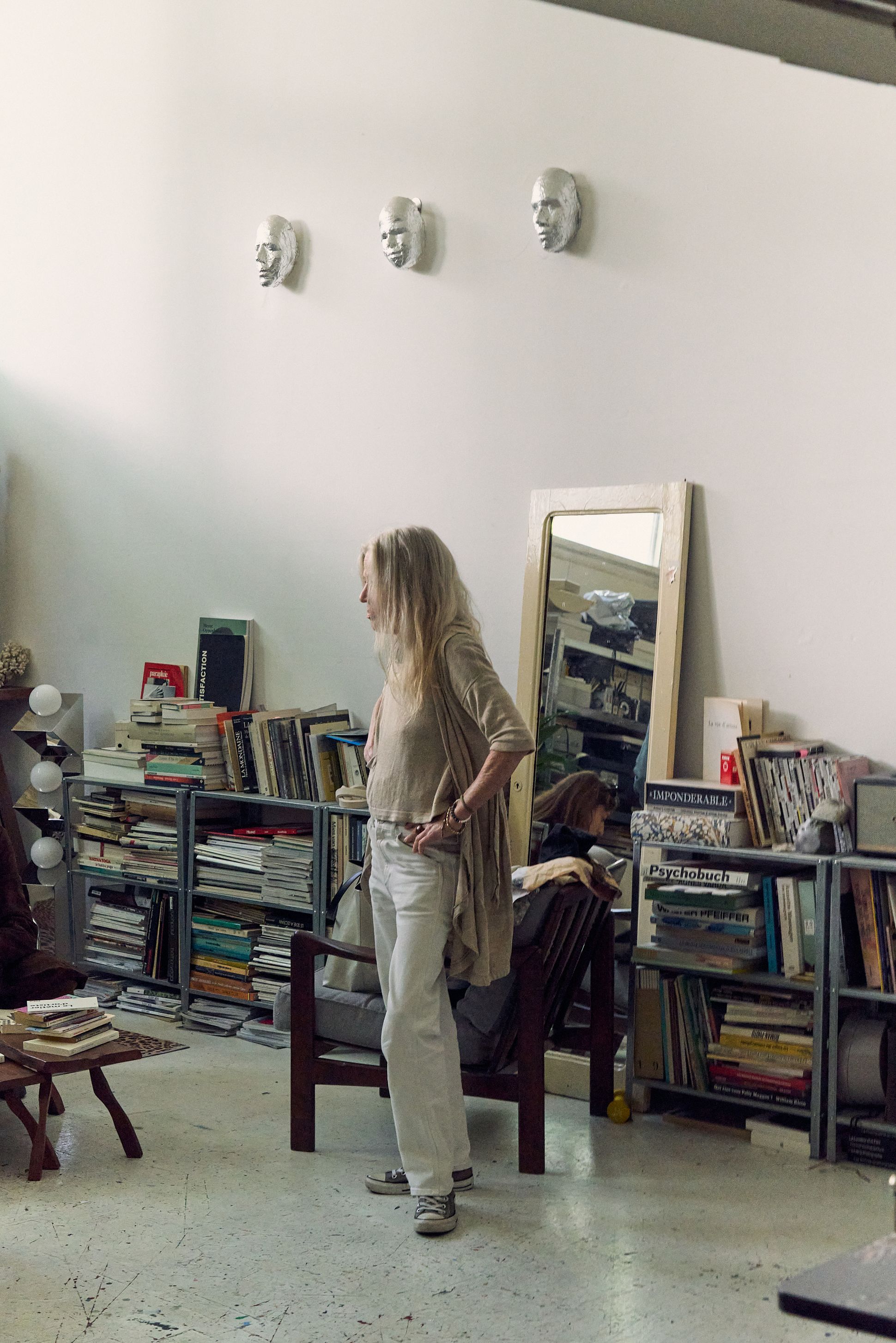
I’m not sure it’s really a matter of choosing; it’s more about encountering objects. There are countless books: philosophy, poetry, essays, rare books, art books, magazines, fanzines…
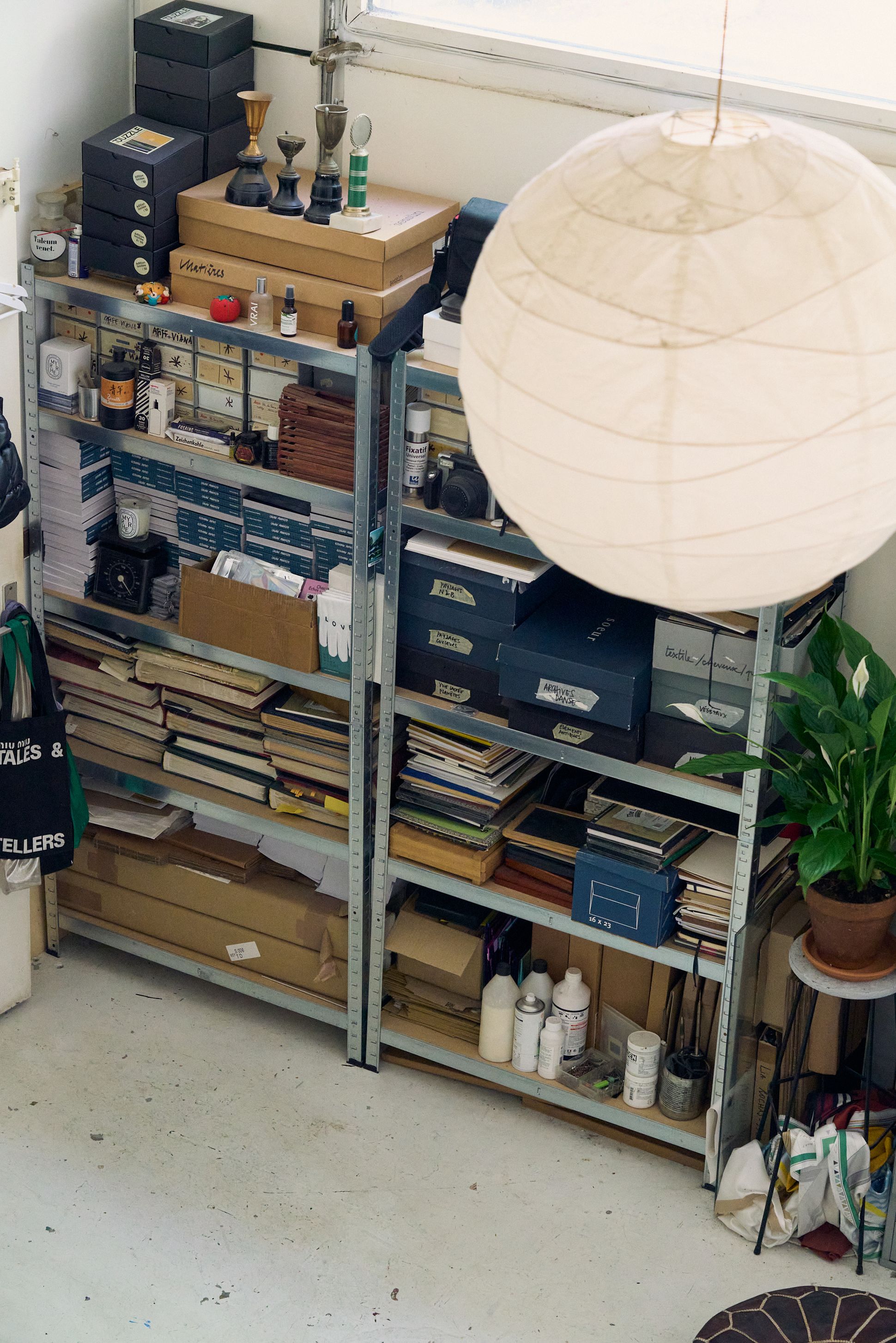
On the shelves, my father’s archives sit alongside my cameras and my collection boxes, organised by theme. I have a real reverence for paper, for the materiality of images and the pleasure of encountering words on a page.
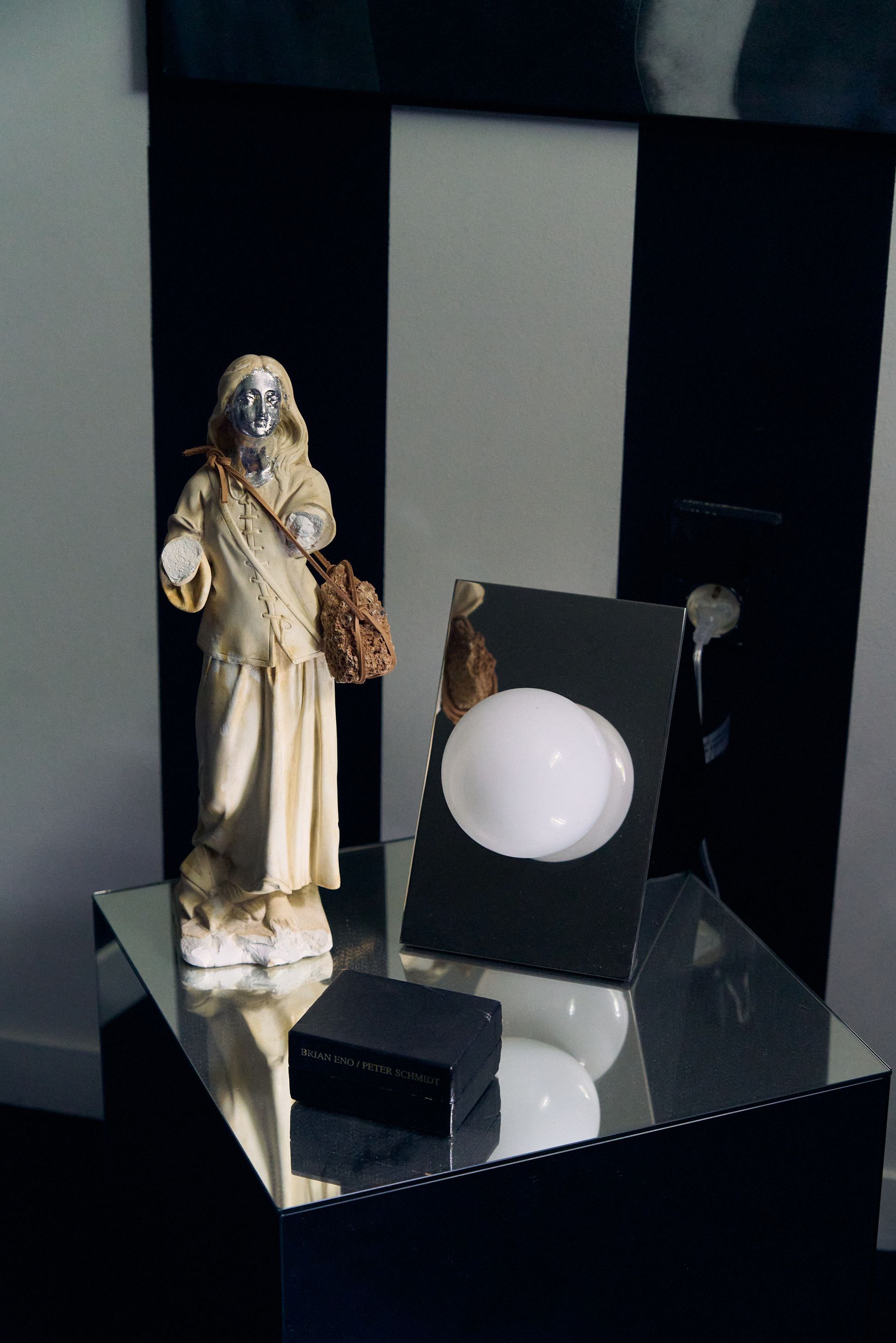
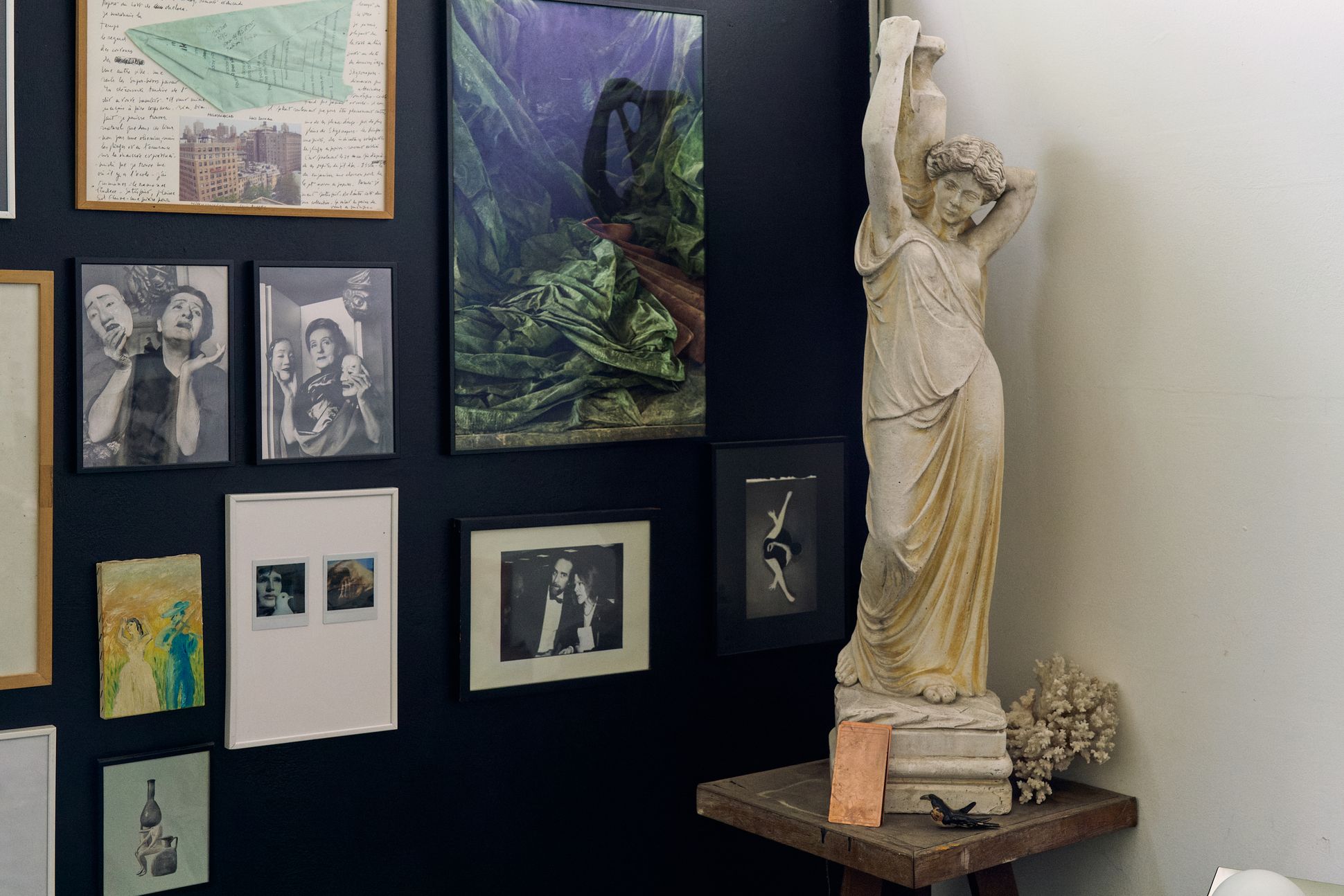
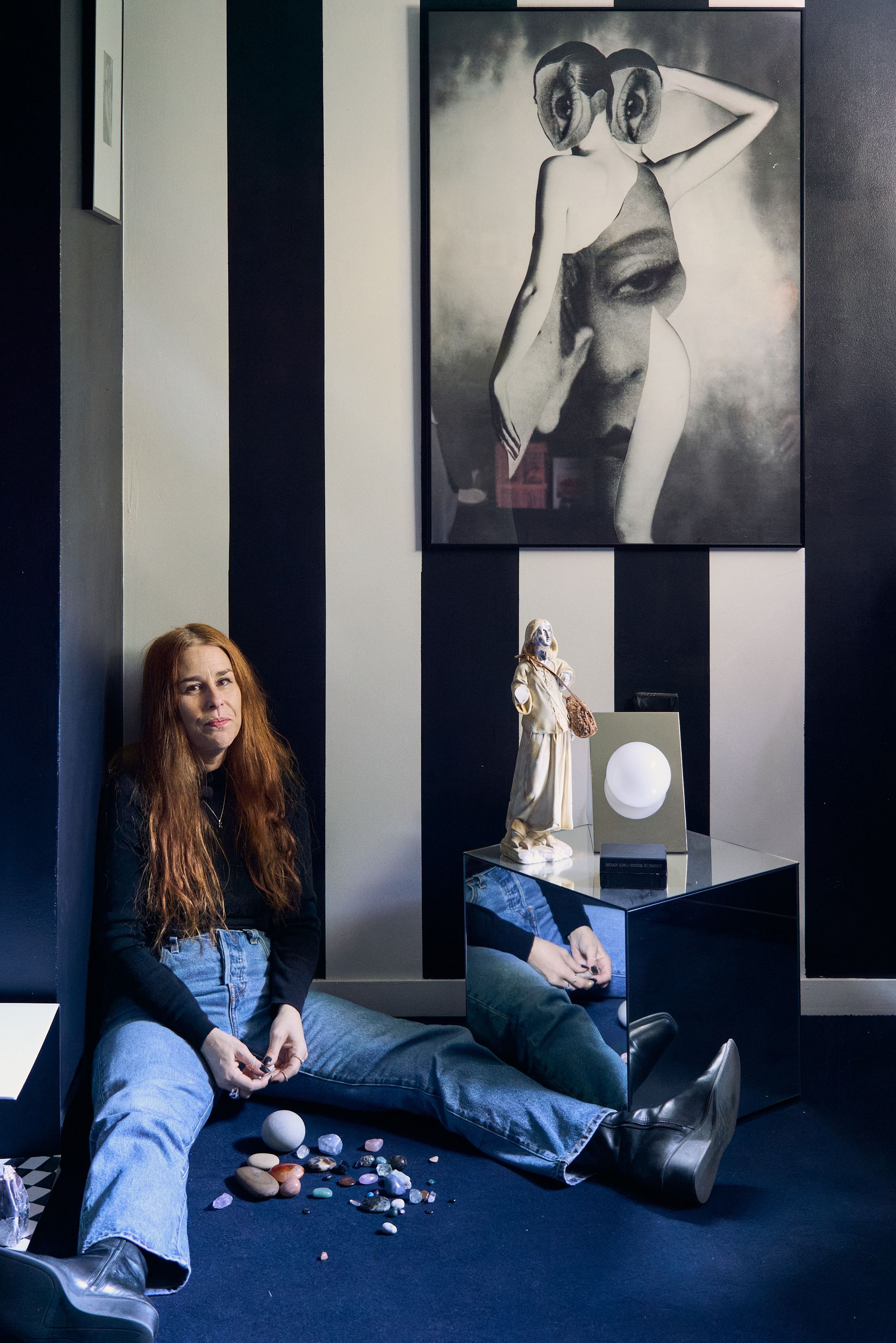
There are also artworks on the walls: my father’s, those of artist friends and my own. A statue of a water carrier I found at the Vanves flea market, a lamp by Axel Chay from his collaboration with Monoprix, and a giant photograph featuring Marcel Duchamp, Francis Picabia and Béatrice Wood, partly hidden behind the plants…
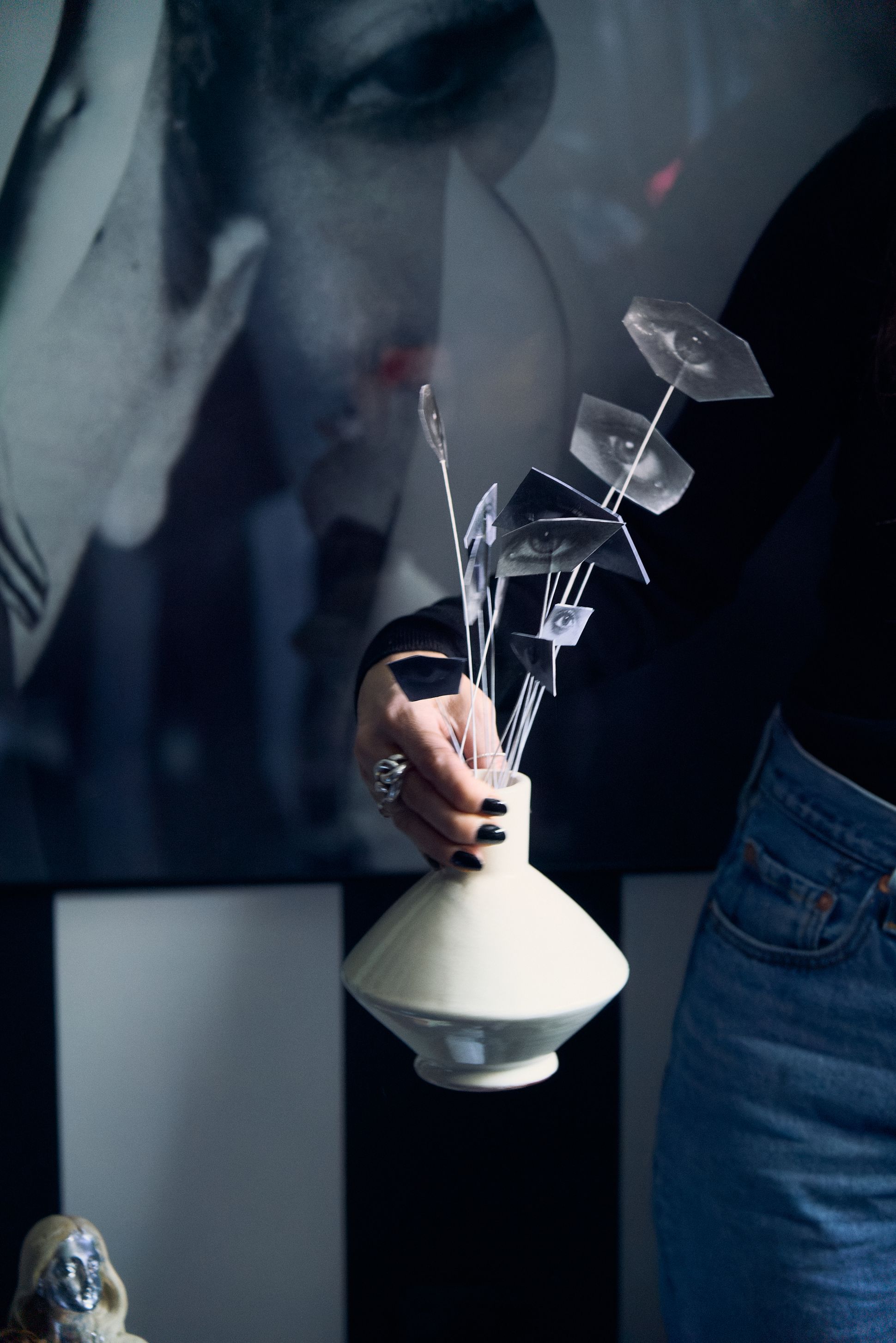
And then there are vases for our traditional Sunday bouquets, a ritual my father established! Apart from the ceiling, there isn’t a single quiet space for the eye.
TSF
Collecting seems to be a central part of your practice. What makes you want to hold on to an image or an object?
Lia
Yes, collecting is part of my working process. I regularly rummage through flea markets for old magazines and books, from which I extract images to repurpose. These images end up in boxes, waiting to find their place.
I also collect rare books and editions, which I preserve almost religiously. On the one hand, I recycle by transforming images I’ve sourced; on the other, it’s about preservation and archiving.
TSF
You have a very distinctive relationship with images. What is it like to live surrounded by so many of them?
Lia
It can feel overwhelming, and I admit that sometimes I lose myself in this visual doxa! In many ways, it reflects my state of mind: I can let myself be swept up in a kind of chaos, but chaos is always a starting point.
Almost all the images I’ve gathered in my boxes are somewhere in my memory, a bit like a mental hard drive. When I come across new images, I might suddenly remember a fragment buried at the bottom of a box that makes a connection.
The same goes for books. Depending on what I’m thinking about or researching, I might rediscover a volume buried at the back of a shelf that suddenly resonates with what I’m exploring, even though the books are arranged in an almost random order. A kind of organised mess.
TSF
Where do these images come from? Are they connected to your personal history, your encounters, or simply to the feelings they evoke in you?
Lia
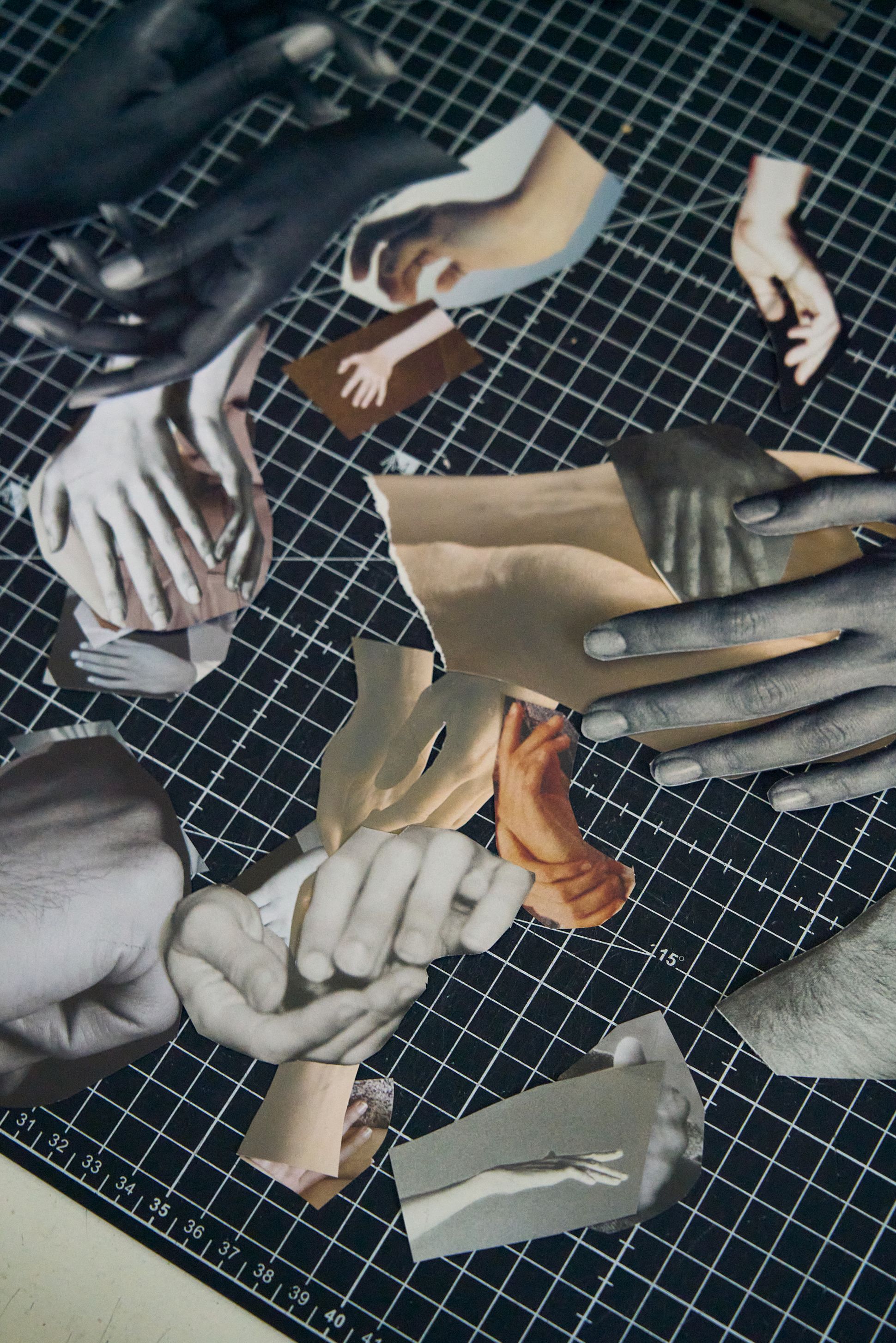
I often say that images speak to me. When I’m browsing old magazines, certain images make something click. It might be just a detail: a hand, a lock of hair, the folds of a dress… It’s instinctive, a matter of sensitivity that resonates with me at a particular moment.
If I look through the same magazine again three months later, my eye will probably be drawn to something else. That’s why, even after cutting out the pages I want, I always keep the magazines in my stock. Their resources are inexhaustible.
TSF
You also have a strong connection to writing. What role do books play here?
Lia
I’ve always grown up surrounded by books. They’re a kind of protective barrier; they make me feel safe. I feel good in their presence. I love taking refuge between their pages; it puts me in a kind of altered, floating state, where time stands still.
I’m a loyal customer of bookshops. I can’t resist the charms of books, or their smell. But sometimes they make me feel guilty, too. They pile up on my bedside table or next to the sofa, and I realise how painfully little time I have to read everything I’d like to.
TSF
You’re also surrounded by other artists in the neighbourhood. Does your environment feed into your practice?
Lia
We’re a bit like a family. Sharing ideas and thoughts feeds my reflections and, inevitably, my practice.
Our lifestyles aren’t exactly “conventional”: irregular incomes, no paid time off or holidays, the very idea of retirement being out of the question, periods of doubt, the need to exhibit and put ourselves out there…
It’s important to share both the highs and the lows, not to feel alone. It helps us bounce back, put things into perspective, support one another. And laugh!
TSF
What are you working on at the moment, here or elsewhere ?
Lia
I’m preparing a solo exhibition, On oublie parfois que les mains pansent , which will open in November in Marseille at 20bis, invited by Charlotte Brunet and Anne Carpentier. Hands are a recurring subject in my work, and I wanted to bring together recent pieces alongside older ones. I don’t always feel that it’s necessary to produce an entirely new body of work for every exhibition. Manual work and the artistic gesture are ways of being in the world, of remaining grounded in the present.
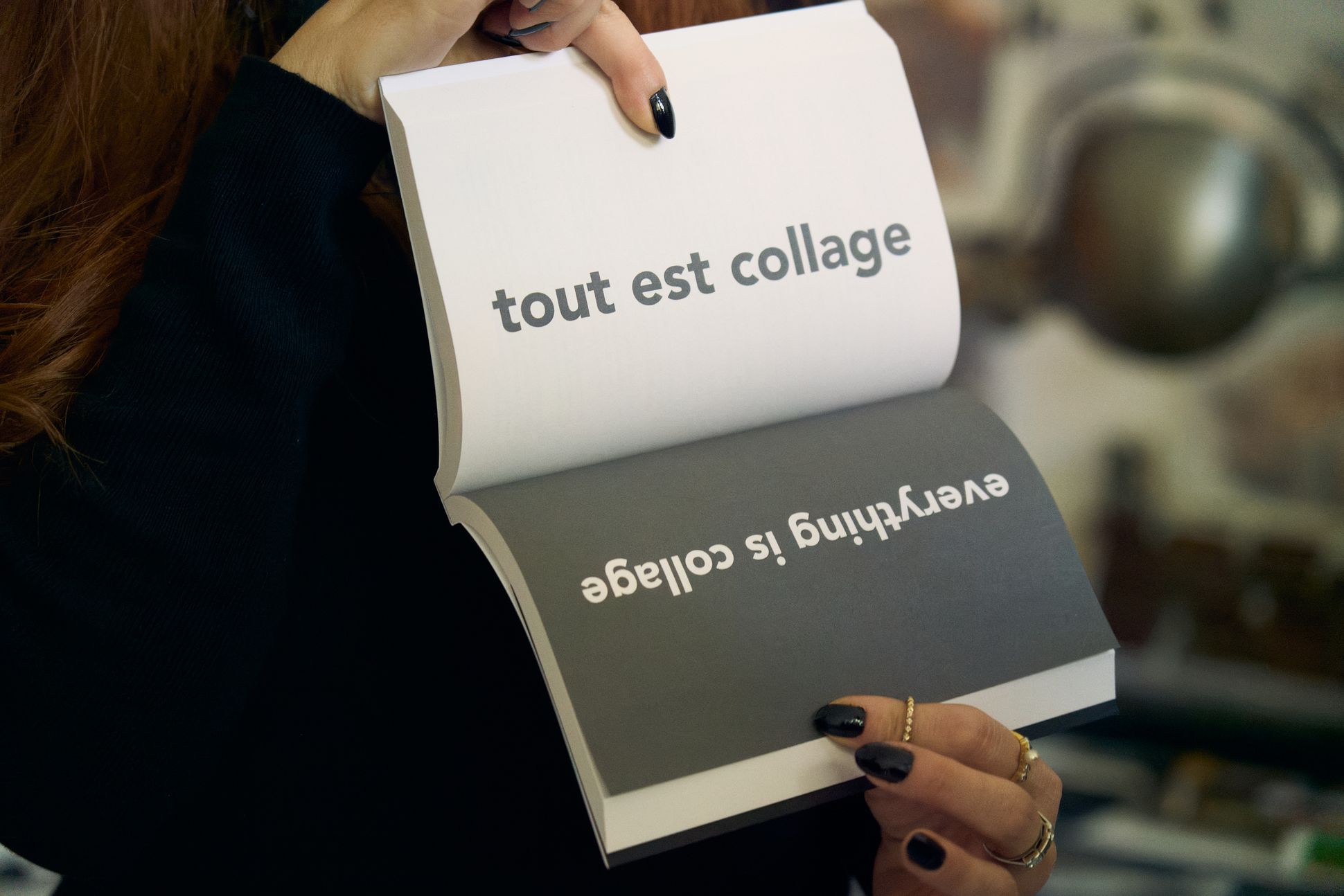
After that, I’ll be presenting my book, Collage Manifesto: In the Age of AI, an essay born out of twenty years of practice and reflection, published by Incasable Editions, in Zurich at Salon Volume.
I’m also working on a fairly ambitious, confidential project for January 2027!
TSF
And finally, what is the one piece - an object, artwork or piece of furniture - you dream of having in this apartment ?
Lia
I dream of the Roseanna leopard-print Rotondo modular sofa!